 Florida Boys Paving
Good Water Flow Helps Asphalt Last Longer and Reduces Damage
Proper drainage plays a big part in how long asphalt pavement lasts. When water drains away the right way, the surface stays stronger, safer, and more stable. When water sits on or under asphalt, it can lead to cracks, potholes, soft spots, and early wear. In places like Melbourne, FL, rain and runoff can slowly weaken paved areas if drainage problems are ignored.
Why Prevention Matters
Asphalt looks tough, but water is one of its biggest problems. A paved surface is meant to shed water fast. If that does not happen, water can seep into small cracks and the base below. Over time, the ground may soften and shift. That movement puts stress on the surface above it. The result is damage that spreads little by little.
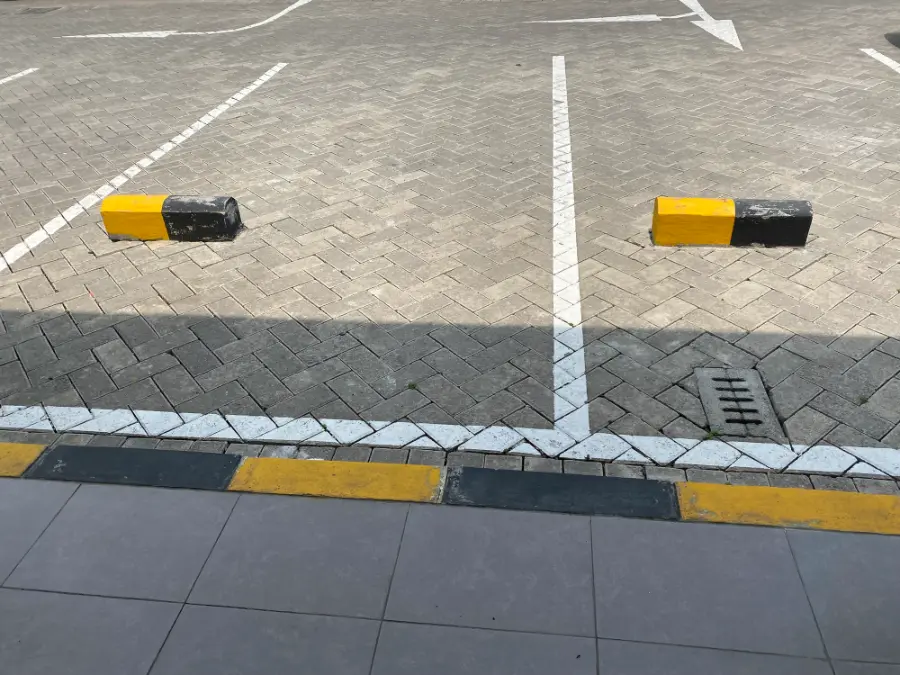
This matters for drive lanes, private roads, loading areas, and parking lot striping projects too. Clear striping helps guide traffic, but the pavement under those lines still needs solid drainage to hold up well. If the surface fails, the markings will not last as long either. Good drainage supports both safety and appearance.
It also helps protect nearby curbs, sidewalks, and landscaped areas. Water that runs the wrong way can wash soil into paved sections. That adds mud, erosion, and more wear. Even a well-built surface can break down early if water has nowhere to go.
Early Warning Signs
Many drainage problems start small. Property owners often see the signs before major damage shows up. Catching those signs early can help limit repair costs and extend pavement life.
- Standing water that stays hours after rain
- Cracks that keep getting longer or wider
- Potholes forming in the same spots
- Edges of asphalt breaking apart
- Areas that feel soft under traffic
- Water flowing toward buildings instead of drains
- Faded striping in low spots where water sits
If you notice one or more of these issues, it may point to poor slope, blocked drains, or base failure below the surface. A quick check now may help avoid bigger repairs later.
Seasonal or Routine Checklist
Regular checks can help keep drainage working as it should. A simple routine can make a big difference, especially after heavy rain or seasonal weather changes.
- Walk the pavement after a storm and look for puddles.
- Check catch basins and drain openings for leaves or trash.
- Look for cracks near low spots and along pavement edges.
- Watch how water moves across the surface.
- Inspect curbs and channels for damage or blockages.
- Note places where soil or mulch has washed onto asphalt.
- Review painted areas, including parking lot striping, for wear caused by standing water.
This kind of routine helps spot trouble before the damage spreads. It also helps owners plan maintenance at the right time instead of waiting for failure.
Best Practices for Long-Term Results
Long-term pavement durability starts with design and continues with upkeep. One of the best things a property owner can do is make sure water always has a clear path away from the asphalt. That starts with the right slope during installation. Even a slight grade can help move water off the surface.
Another smart step is sealing cracks early. Small openings let water move below the top layer. Once water gets into the base, the problem can grow fast. Sealcoating also helps protect the surface from wear, though it does not fix drainage by itself.
Clean drainage features matter too. Drains, swales, gutters, and channels need to stay open. If they clog, water backs up and collects where it should not. In larger paved areas, surface grading and catch basin placement should work together.
For lots with fresh markings, drainage should not be an afterthought. Parking lot striping lasts better on pavement that stays dry and stable. Smooth water flow helps preserve both the asphalt and the traffic layout painted on top of it. Even if the service category keyword is not specified, the same rule applies across many paving and site services: water control supports surface life.
What Not to Do
Some common choices can make drainage problems worse. One mistake is patching potholes again and again without fixing the water issue that caused them. The patch may help for a short time, but the same problem often returns.
Another mistake is ignoring small puddles. People may think a little standing water is normal, but it often points to a low area or blocked drainage path. Waiting too long can lead to larger cracks and a weaker base.
It is also a bad idea to let dirt, mulch, or gravel build up along pavement edges. That can trap water on the surface. Poor snow removal can do damage too if snow piles block drains or force melting water into low spots.
Adding more striping or surface coating without checking the condition below is not a full fix. If the pavement has drainage trouble, new paint or sealer alone will not solve it.
When to Schedule Professional Help
Some drainage issues are easy to spot but harder to solve. If water keeps pooling in the same place, the slope may need correction. If cracks, potholes, or edge damage keep coming back, the base below may be failing. Those problems often call for a closer inspection and a repair plan that addresses the cause, not just the surface.
Professional help is also a good idea before major maintenance or restriping work. If a lot is being updated, it makes sense to check drainage first. That way, parking lot striping and other pavement improvements are placed on a surface that is more likely to last.
Large lots, commercial properties, and high-traffic areas may need more than a simple patch. Regrading, drain repair, or base work may be the better path when water damage is widespread. Getting the drainage right can help protect the full investment in the pavement.
Final Recommendation
If you have noticed puddles, cracking, or worn areas, we can help review the pavement and drainage needs. Our team works with property owners across Melbourne, FL to spot problems early and plan practical next steps. Contact Florida Boys Paving to talk with us about repairs, maintenance, or parking lot striping. Call (321) 241-3996 and let us help you protect your asphalt for the long run.