 Florida Boys Paving
Stop Small Pavement Gaps Before Moisture Gets Under the Surface
Asphalt crack sealing helps stop water damage by closing the small openings where rain and melted ice can slip into pavement. Once water gets below the surface, it can soften the base, wash away support, and make cracks spread faster. In places like Melbourne, FL, this matters because wet weather and temperature swings can turn a small crack into a much bigger problem.
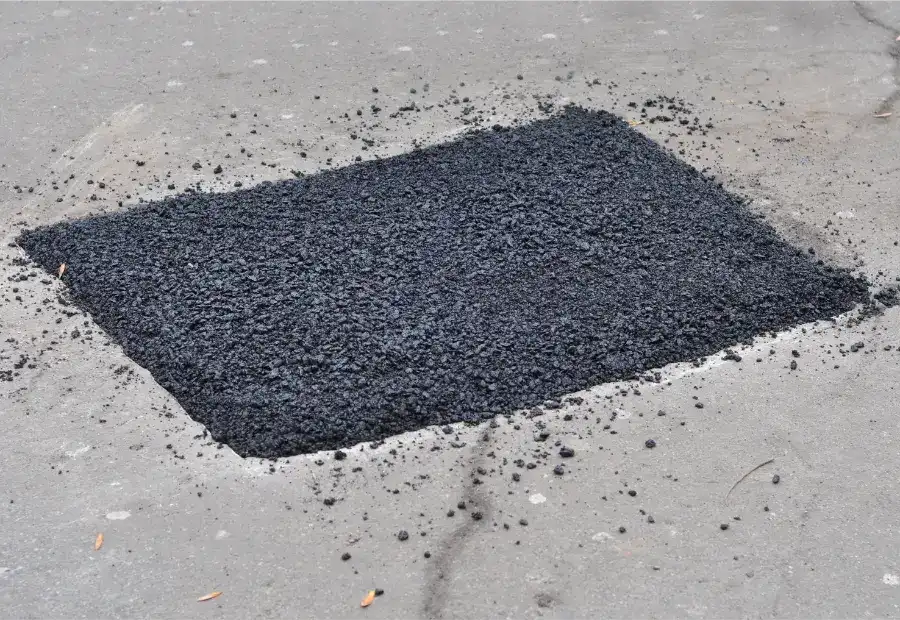
Why Prevention Matters
Water is one of the main things that damages asphalt. A crack may look minor at first. Still, that narrow gap gives water a direct path into the pavement. When the base under asphalt gets wet, it starts to lose strength. Cars, trucks, and even foot traffic press down on that weak spot. Over time, the surface can sink, split, or break apart.
Asphalt crack sealing works like a barrier. It fills the crack and blocks water before it reaches the layers below. This simple maintenance step can help pavement last longer and stay safer. It can also cut down on larger repairs later. Even if a lot is part of a wider service category keyword plan for property care, sealing cracks is often one of the first smart steps.
Early Warning Signs
Many property owners do not notice water trouble until they see bigger damage. By then, the repair may take more time and money. The good news is that pavement often gives clear signs early on.
- Thin cracks that keep getting longer
- Cracks with weeds or dirt inside
- Dark spots that stay wet after rain
- Edges that start to crumble
- Small dips or soft spots in the pavement
- Puddles that form near cracked areas
If you spot these signs, water may already be getting under the asphalt. Fast action can help stop the damage from spreading.
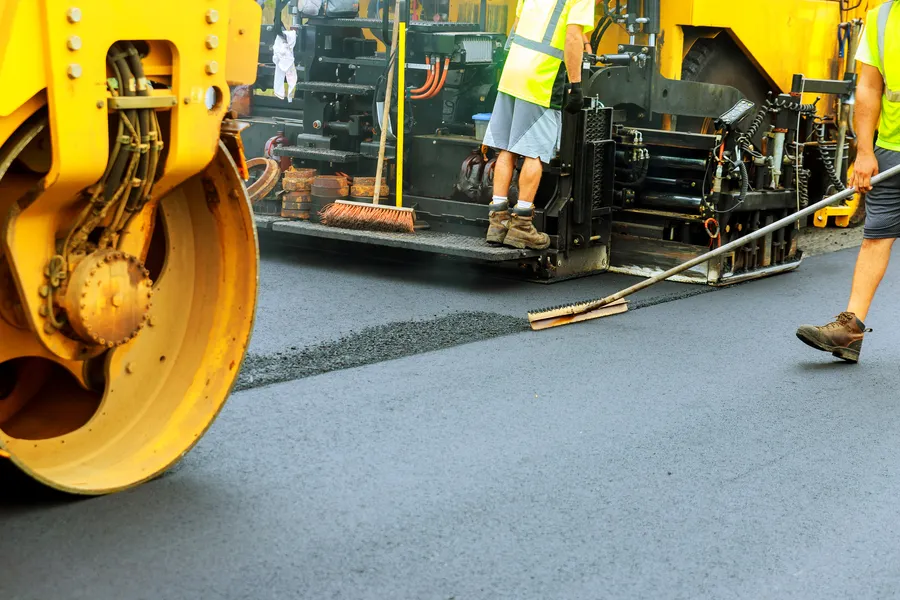
Seasonal or Routine Checklist
Regular checks make a big difference. Pavement changes with weather, traffic, and age. A simple routine can help catch issues before they grow.
- Walk the paved area at least twice a year.
- Check for new cracks after heavy rain or freezing weather.
- Look at places where water tends to sit.
- Clear away leaves, dirt, and debris from cracks.
- Watch for cracks that widen or join together.
- Schedule sealing when cracks are still manageable.
Spring and fall are often good times to inspect pavement. Winter can open cracks wider, and summer heat can make asphalt softer. In both cases, water can do more harm if cracks are left open.
Best Practices for Long-Term Results
Good pavement care is not just about filling one crack and forgetting it. Long-term results come from timely work and proper site care. One best practice is sealing cracks before they turn into potholes. Another is keeping the surface clean so water drains away instead of sitting in one spot.
It also helps to fix drainage issues nearby. If downspouts, slopes, or low spots send water onto the pavement, new cracks may keep forming. Sealing can block water at the surface, but standing water still puts stress on asphalt over time. A full maintenance plan should address both cracks and drainage.
Another smart step is using the right material for the crack size and condition. Some cracks need flexible sealant that moves with the pavement. If the wrong product is used, it may fail sooner. This is one reason many owners choose trained crews for asphalt crack sealing instead of trying random patch products from a store.
What Not to Do
Some common mistakes can lead to poor results or more damage. One mistake is waiting too long. A small crack is much easier to seal than a broken section of pavement. Another mistake is sealing over dirt, weeds, or moisture. If the crack is not clean and dry enough, the seal may not hold well.
It is also not a good idea to treat every surface problem the same way. Crack sealing is meant for certain types of cracks. If the pavement has wide breaks, deep sinking, or base failure, a simple seal may not fix the real issue. In those cases, repairs may need more than surface work.
A final mistake is ignoring nearby signs of trouble. If water pools in one area, the crack is only part of the problem. The real cause may be drainage, grading, or old pavement that has reached the end of its life.
When to Schedule Professional Help
Some cracks are easy to spot, but not all damage is clear from the top. Professional help is a good idea when cracks keep coming back, when water ponds across the surface, or when pieces of asphalt start to break loose. A trained crew can tell whether the issue is simple surface wear or a deeper base problem.
Professional service also helps when the paved area is large, busy, or used by heavy vehicles. Parking lots, private roads, and commercial drive lanes often need a more careful approach. Proper prep, cleaning, and material choice all affect how well the seal works and how long it lasts.
If your pavement has several problem spots, a site visit can help you plan the right order of work. That may include sealing active cracks first, then watching for drainage or patching needs later. Acting early often helps stop water from causing wider damage below the surface.
Get Help Before Cracks Turn Into Bigger Repairs
If you have cracked pavement in Melbourne, FL, we can help you spot water trouble early and explain the next steps. Contact us at (321) 241-3996 to talk about your surface concerns. At Florida Boys Paving, we offer asphalt crack sealing that helps block moisture and protect the pavement below.